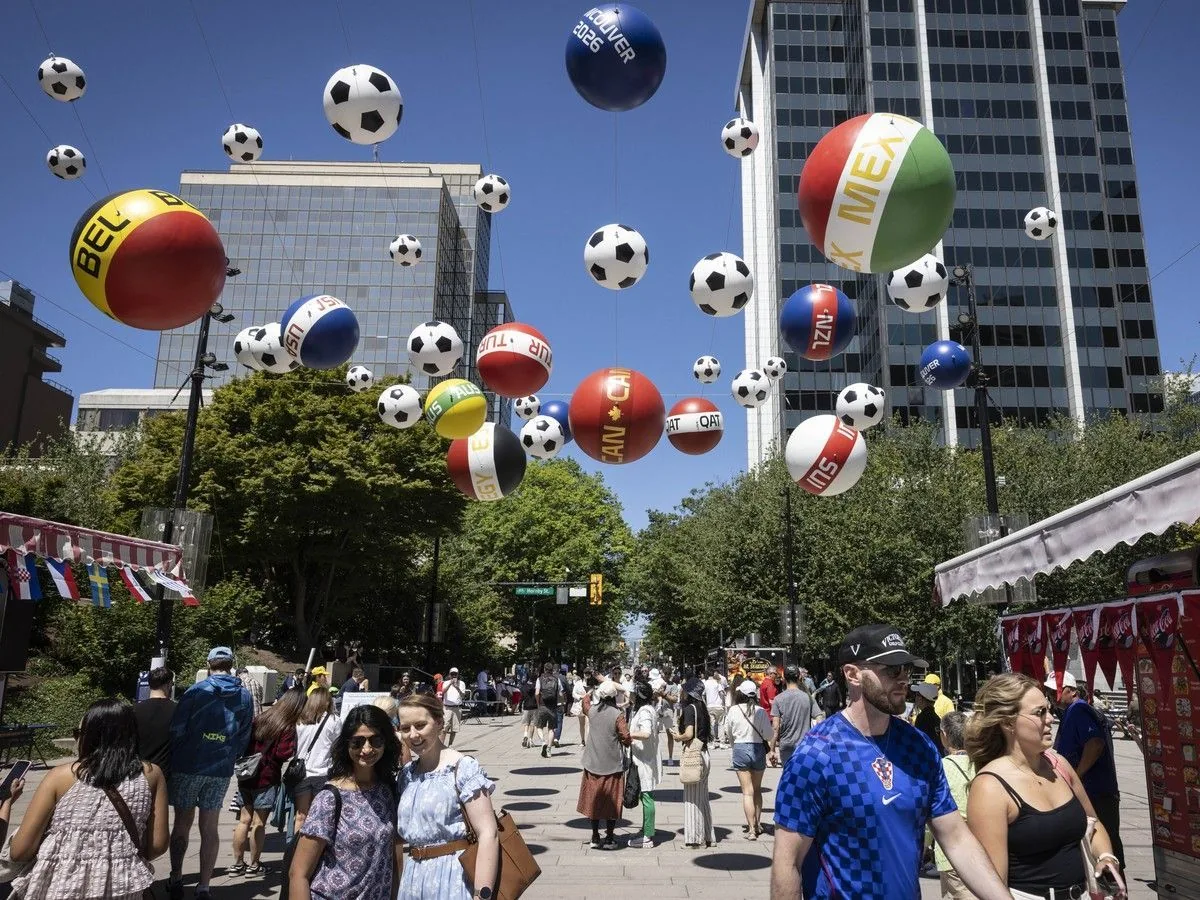
Toronto’s Portuguese Community Embraces World Cup Excitement
As the World Cup approaches, Toronto’s significant Portuguese diaspora is preparing for a major celebration, particularly with the Portugal national team scheduled to play in the city. The excitement is palpable among residents, who are looking forward to the historic arrival of their national team. Many are stocking up on traditional foods and making plans to gather with family and friends for the upcoming match.
The 2021 Census by Statistics Canada indicates that approximately 240,680 individuals in Canada identify Portuguese as their primary language. Nearly half of this population resides in Toronto, according to the consulate-general of Portugal, making the city a significant hub for Portuguese culture and community in North America.
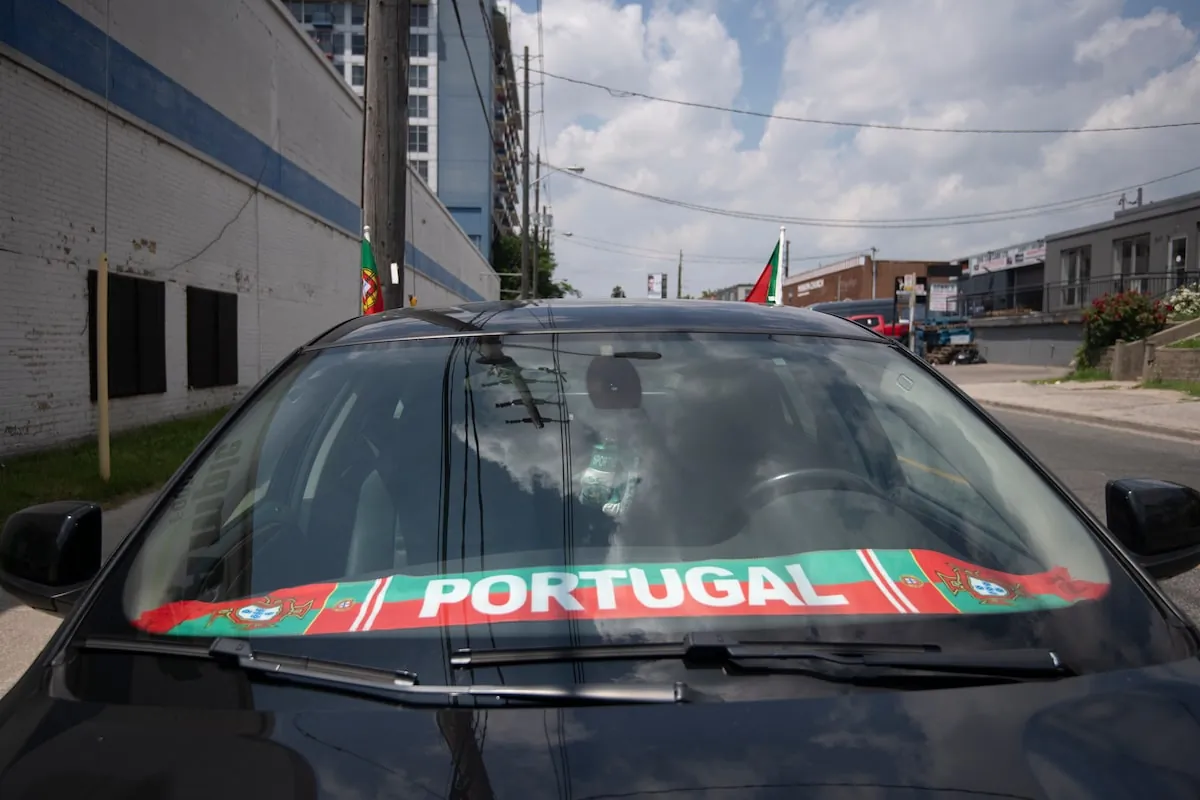
Nancy Moniz, a Toronto resident, shared her family’s tradition of celebrating Portuguese match days with barbecues and car decorations. Her mother, Gertrudes, has continued this tradition, especially with the team playing in Toronto. This sentiment is echoed by many in the community, who view the team’s presence as a personal connection to their heritage.
Local Businesses See Boost in Sales
The anticipation for the World Cup match has translated into increased business for Portuguese-owned establishments in Toronto. Luis Pavão, owner of Pãvao Meats & Deli in the city’s Little Portugal neighbourhood, expressed his enthusiasm for the upcoming game. He even tracked the Portuguese team’s flight into Toronto, highlighting the deep personal connection many feel to the team’s visit.
Mr. Pavão noted that Portuguese barbecue has been a primary driver of his sales throughout the World Cup period. The demand for meats has been overwhelming, requiring additional effort and coordination across his seven shops to maintain stock. Popular items include a Brazilian cut of meat known as Picanha, along with steaks and sausages.
Sales to Toronto’s Portuguese bars and restaurants have seen a significant increase, ranging from 400 to 500 per cent. The busiest days for these establishments have coincided with matches involving either Canada or Portugal. Mr. Pavão described the constant demand, with orders coming in almost hourly as events unfold.
While many choose to watch the matches at local bars, Mr. Pavão prefers to host friends at home, barbecuing steaks for the game. He also reflected on a potential scenario where Canada might face Portugal in the semi-finals, stating that such a match would be emotionally difficult for him, given his strong ties to both his country of origin and his home in Canada.
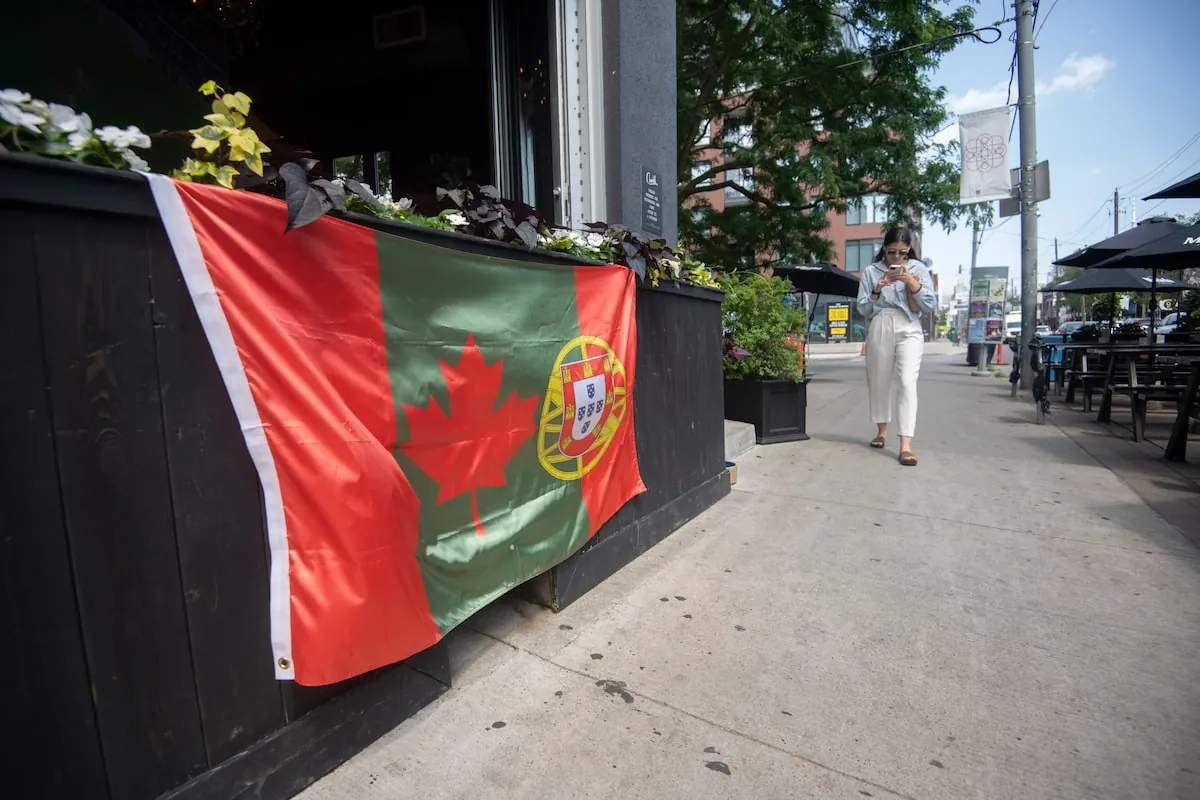
Community Gatherings and Cultural Significance
The Portuguese community in Toronto initially established itself along Dundas Street, forming the area known as Little Portugal. However, many residents later moved further north to areas like St. Clair Avenue. This northern corridor is now expected to be the epicentre of World Cup celebrations on match days.
At Távora Foods, a Portuguese grocery store and butcher shop on St. Clair Avenue, the aroma of traditional salted cod and cured meats fills the air. Inside, television screens display videos and images of star player Cristiano Ronaldo, with pundits discussing the upcoming match. This visual and aromatic experience underscores the cultural significance of the event for the community.
Down the street, Rui Gomes, owner of Rui Gomes Meats & Food Market, also reported high demand for barbecue meats. His shop, which originally opened in Little Portugal in 1990, moved to Rogers Road in 1993, following the migration of many Portuguese residents to the area. This shift was attributed to rising housing prices in Little Portugal, making northern Toronto a more affordable option for homeownership.
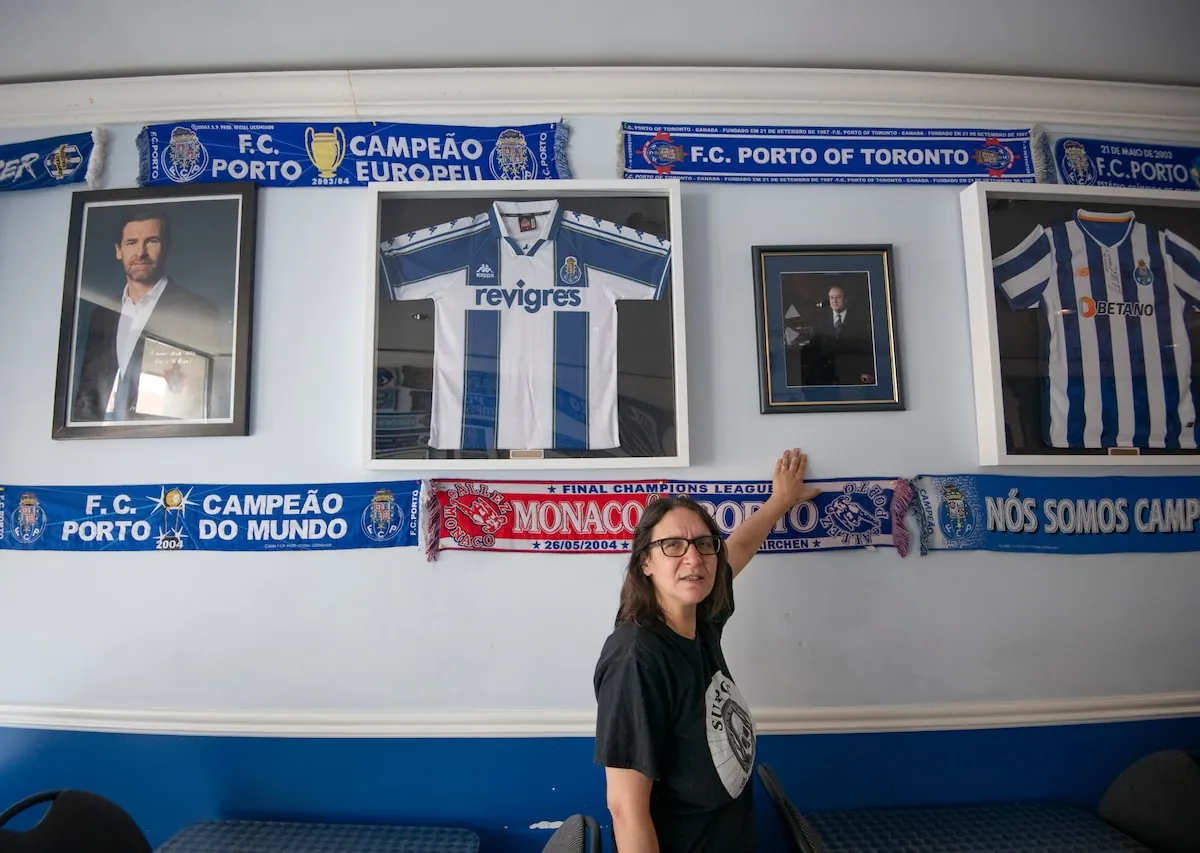
Sandra Rocha, vice-president of Futebol Clube do Porto de Toronto, a supporters’ club for the Portuguese team FC Porto, was preparing to pick up meat for a watch party. Ms. Rocha, who moved from Portugal to Toronto in 2013 with her family, highlighted the community’s excitement to see the team’s stars on home soil. She noted that many believe this will be Ronaldo‘s final World Cup, adding to the anticipation surrounding his presence in Toronto for the match against Croatia on Thursday.
Read Also
Source: theglobeandmail.com