France’s Dominance in World Cup Knockout Stage
France has emerged as a formidable force in the knockout stages of the FIFA World Cup, showcasing order and dominance amidst a series of closely contested matches. While other nations like Brazil, Canada, and Norway secured late goals, and Morocco and Paraguay advanced through penalty shootouts, France delivered a commanding performance against Sweden.
The team entered the competition as favourites, a perception that has strengthened over the past three weeks. Their group stage performance, winning all three games, was matched only by Argentina and Mexico. France also demonstrated significant offensive capability, equalling the goal tally of the Netherlands and Germany, both of whom have since exited the tournament.
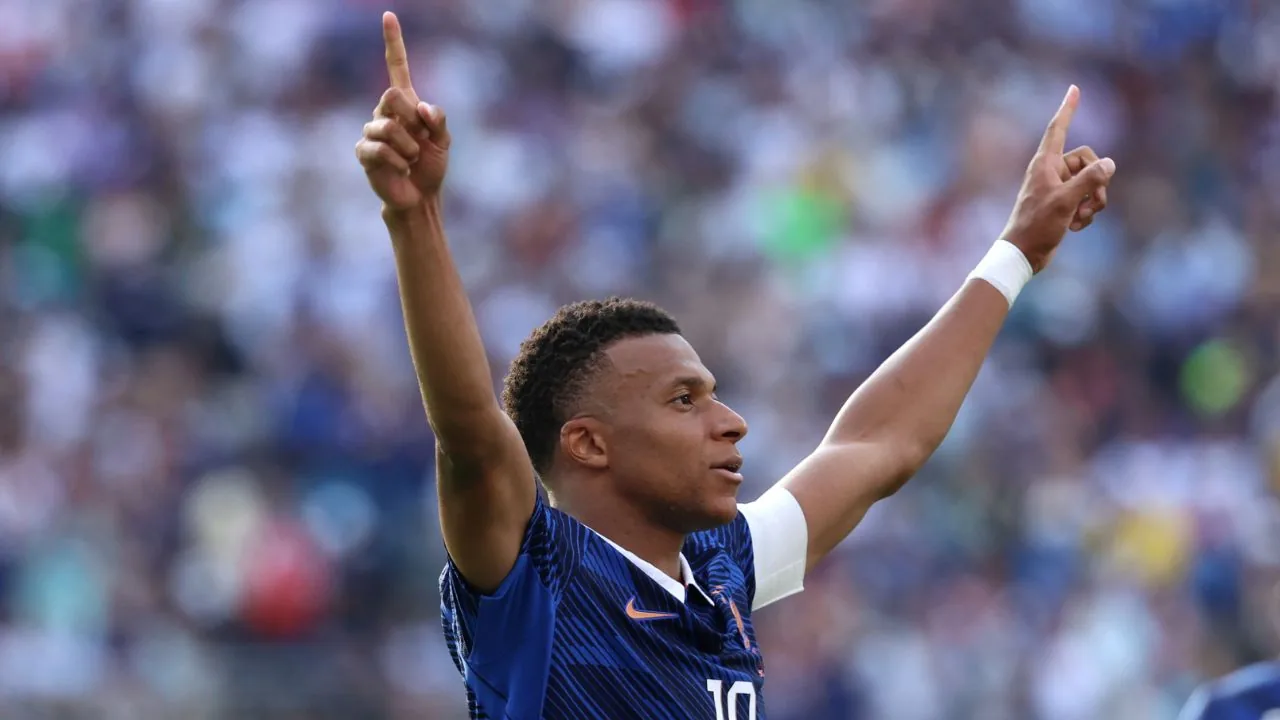
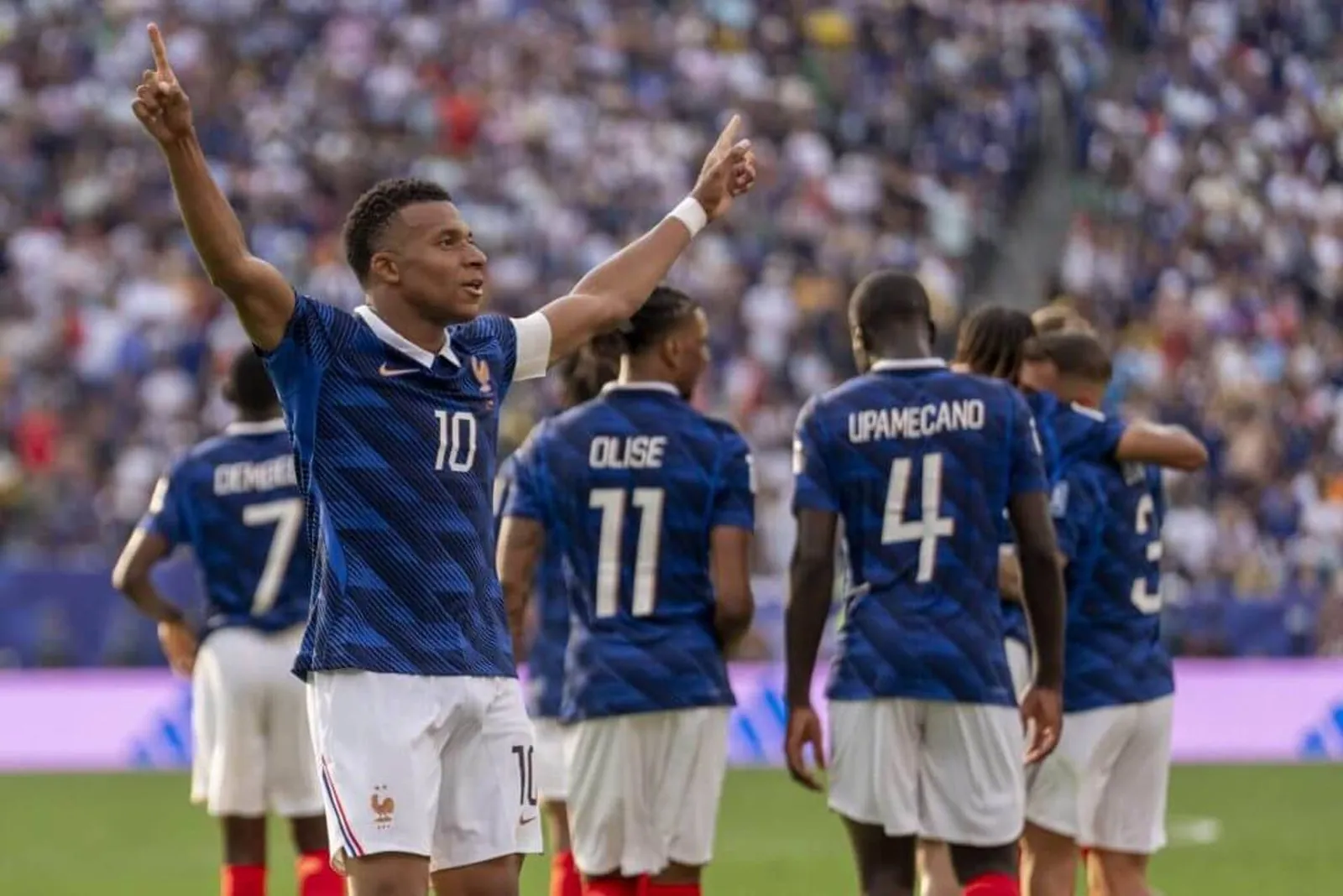
The recent match against Sweden was particularly impactful, with France registering 25 shots on goal, 12 of which were on target. This performance included two goals from Kylian Mbappe, who now holds the record for the most knockout goals in World Cup history. Following one of Mbappe‘s goals, coach Didier Deschamps was seen bowing in front of his striker.
Sweden, under coach Graham Potter, employed a defensive setup that allowed significant freedom to Michael Olise, France‘s playmaker. Olise‘s influence was evident across the field, supported by the speed of Ousmane Dembele on the right and Bradley Barcola on the left, with Mbappe central. Thierry Henry, a French icon, described Olise as France‘s “Most Important Player,” while Mbappe is considered the MVP.
Henry, who previously coached Olise at the 2024 Olympics, praised his unique vision, stating that Olise “sees solutions that only a genius sees.” Olise‘s performance was complemented by the supporting cast, including Barcola, who scored France‘s second goal after receiving a pass from Olise. Barcola‘s goal contributed to France becoming the first nation to score three or more goals in five consecutive World Cup matches.
Emerging Talent and Strategic Path Forward
The emergence of younger players like Olise, Barcola, and Desire Doue, aged 24, 23, and 21 respectively, is part of what Deschamps calls the “oxygenation” of the French squad. This influx of fresh talent follows the departure of key players such as Hugo Lloris, Raphael Varane, Antoine Griezmann, and Olivier Giroud since the 2022 final in Doha. The depth of options available to Deschamps is considerable, with the potential to introduce players like Rayan Cherki later in the tournament.
Sweden and Arsenal forward Viktor Gyokeres noted that France‘s players are not static, demonstrating strong connections and movement, which makes them challenging opponents. Coach Potter, despite his team’s loss, acknowledged France‘s supremacy, stating he had not seen a better team in the tournament.
Former France World Cup winner Patrick Vieira suggested that this current generation of French players is comparable to his title-winning team. The 25 shots recorded against Sweden represent the highest number for a French team since their match against Paraguay in the round of 16.
France‘s path to the final appears favourable due to the tournament schedule. If they reach the final at MetLife Stadium on July 19, they will have played seven of eight games in the north-east corridor of New Jersey, Philadelphia, and Boston. They will also be familiar with the MetLife field, having played there twice already.
France will next face Paraguay in Philadelphia. The winner of that match will advance to a quarter-final against the victor of the Morocco versus Canada game in Boston, with Brazil, Argentina, or England only possible opponents in the final.
Kylian Mbappe scored his sixth goal of the tournament in the 74th minute against Sweden, tying Lionel Messi for the tournament scoring lead.
Read Also
Source: nytimes.com