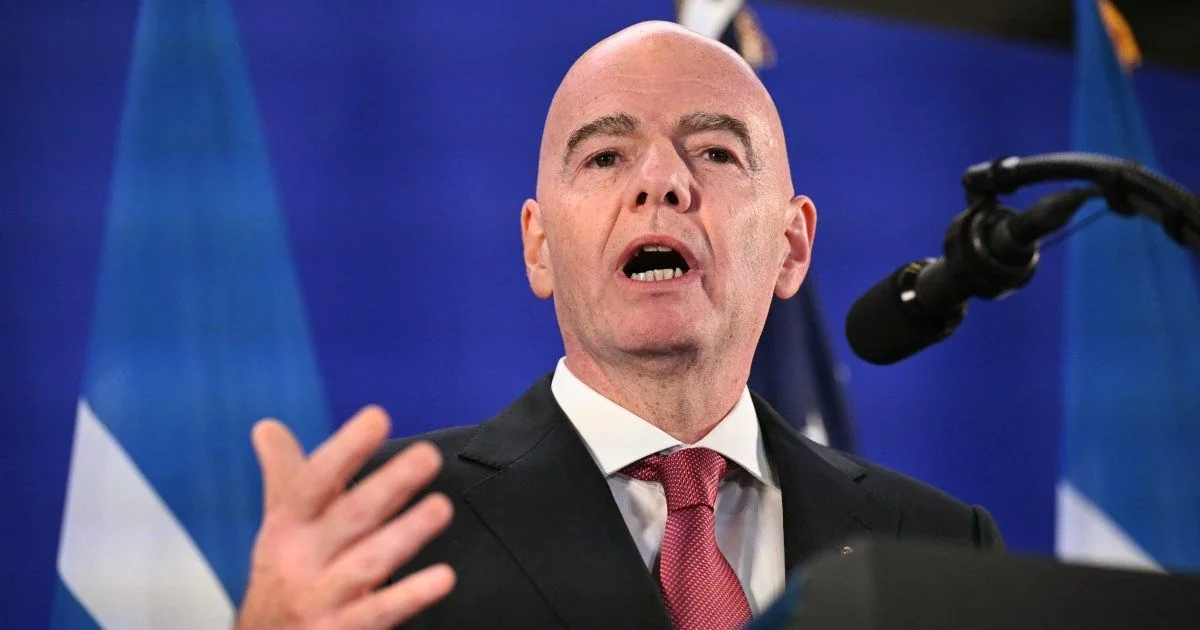
FIFA President Gianni Infantino has responded to critics of the recent World Cup, accusing them of disseminating “hate and false rumours” about the tournament. His remarks came less than a week after the final match, which saw Spain emerge victorious.
Infantino lauded FIFA’s efforts in delivering “the best show in the world,” emphasizing the event’s role in fostering “joy and togetherness.” These comments were part of a detailed 900-word statement, released across a 15-page post on his Instagram account and FIFA’s official website.
Addressing the Criticism
In his statement, Infantino directly addressed those he perceived as critics, stating, “Sorry that you were so consumed by hate and criticism that you missed it all.” He further elaborated, targeting “those behind their pens and papers, behind their screens spreading hate and false rumors.”
The tournament, co-hosted by the United States, Canada, and Mexico, faced various criticisms. These included issues such as Iranian team officials, a Somali referee, and fans being denied entry into the United States due to visa restrictions. Concerns were also raised regarding alleged political influence from US President Donald Trump in a disciplinary case involving Folarin Balogun, who avoided a ban after a red card incident.
Other points of contention included the high ticket prices and the introduction of commercial breaks midway through each half of all 104 games. Despite these criticisms, Infantino maintained that the event was characterized by “no violence, no incidents, 100% safety and security, only joy and happiness!”
Tournament Controversies and FIFA’s Stance
The Iran national team, which was eliminated in the group stage, experienced a particularly challenging tournament. They were compelled to relocate their training camp from Tucson, Arizona, to Tijuana, Mexico, due to ongoing conflict in the Middle East. Additionally, the team encountered logistical difficulties in their travel between the United States for their three group matches.
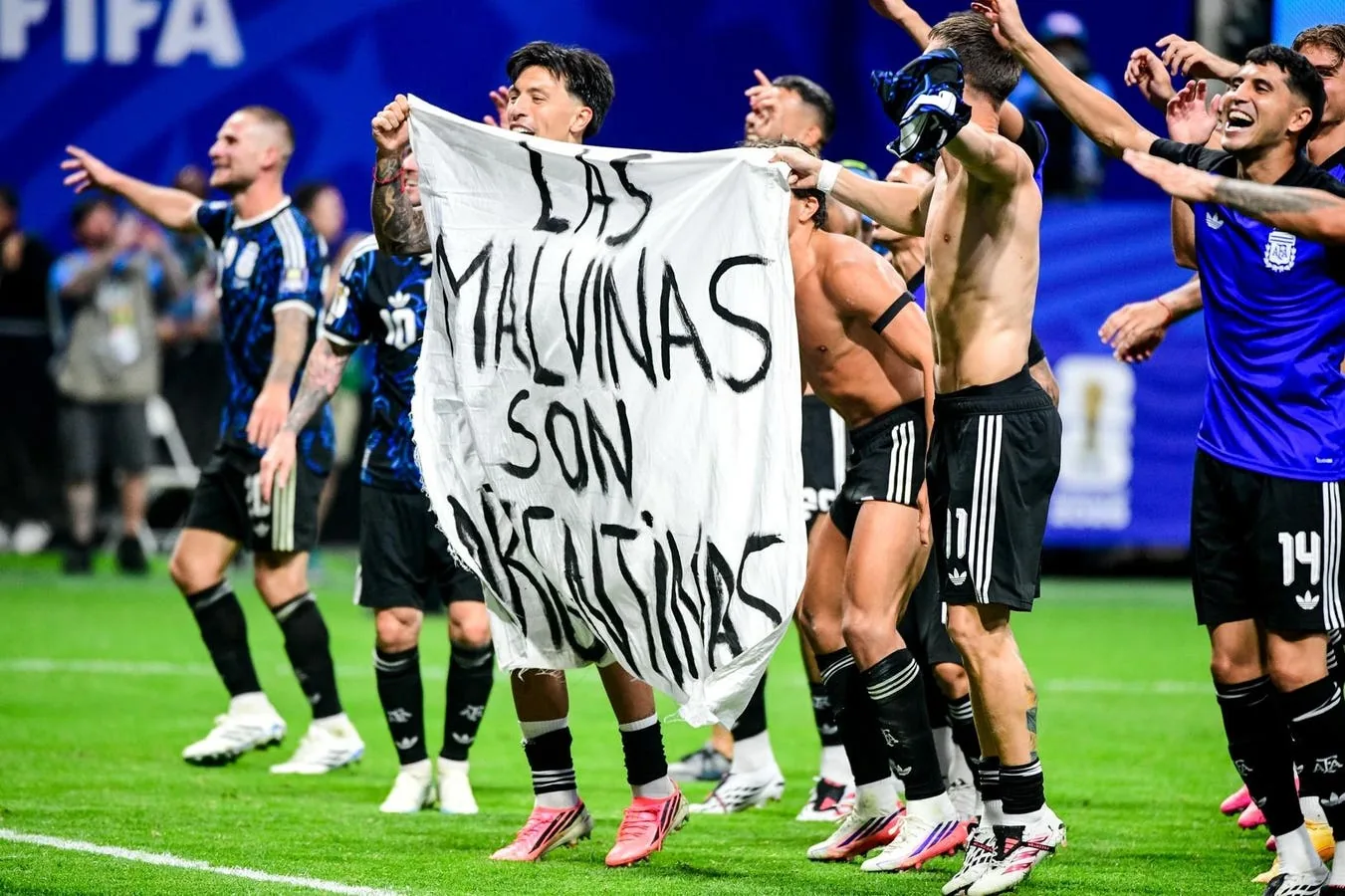
Infantino’s letter also followed scrutiny over FIFA’s handling of Folarin Balogun’s disciplinary matter. The decision to suspend the automatic one-match ban for the US striker, after his red card against Bosnia and Herzegovina, reportedly followed an intervention by US President Donald Trump. Furthermore, officiating decisions in Argentina’s match against Egypt sparked considerable debate among fans and pundits.
While Infantino did not specifically name these instances, he contended that many of the refereeing and disciplinary decisions that drew criticism are common occurrences in major leagues globally. He remarked, “Potentially mistaken red or yellow cards or subsequent decisions not to ban players in certain situations are routine and widely accepted in some of the biggest leagues worldwide.” He also noted the irony, stating, “It’s curious that the same countries employing these practices are the ones criticising.”
Visa Issues and Unity Through Football
Infantino highlighted the participation of nations facing political tensions, domestic crises, and health challenges as evidence of football’s capacity to bridge divides. He pointed out that while Iran’s involvement occurred amidst conflict with the US, issues surrounding Haiti’s domestic crisis and the Ebola outbreak in the Democratic Republic of the Congo also brought attention to visa and travel restrictions.
A notable incident involved Somali World Cup referee Omar Abdulkadir Artan, who was denied entry into the US despite possessing a valid visa. Infantino countered such criticisms by stating, “You mentioned the few people denied visas and overlooked the millions who were approved, from all parts of the world. Because football unites the world, and it was impressively demonstrated this summer.”
He further emphasized the unifying power of the sport, noting, “Iran entered the United States without incident or conflict. The Iranian team received visas to enter because football is about peace. It’s not about politics.” These remarks contrasted with comments from Iran’s head coach, Amir Ghalenoei, who described Team Melli as the “most oppressed” team in the tournament. Infantino concluded by stating, “When football brought Haiti to the world, a country that many cannot or choose not to visit, it might be time to set aside your pens and keyboards and show some respect to the teams that played.”
Earlier this month, human rights group FairSquare filed a complaint with the International Olympic Committee (IOC) against Infantino, alleging that he “repeatedly breached the IOC’s rules on political neutrality by offering his political support for US President Donald Trump.” However, the IOC rejected the complaint, determining that the matter fell outside the jurisdiction of its Ethics Commission.
Source: nanaimonewsnow.com